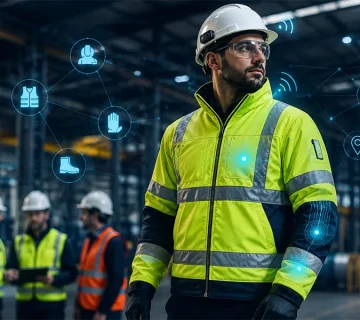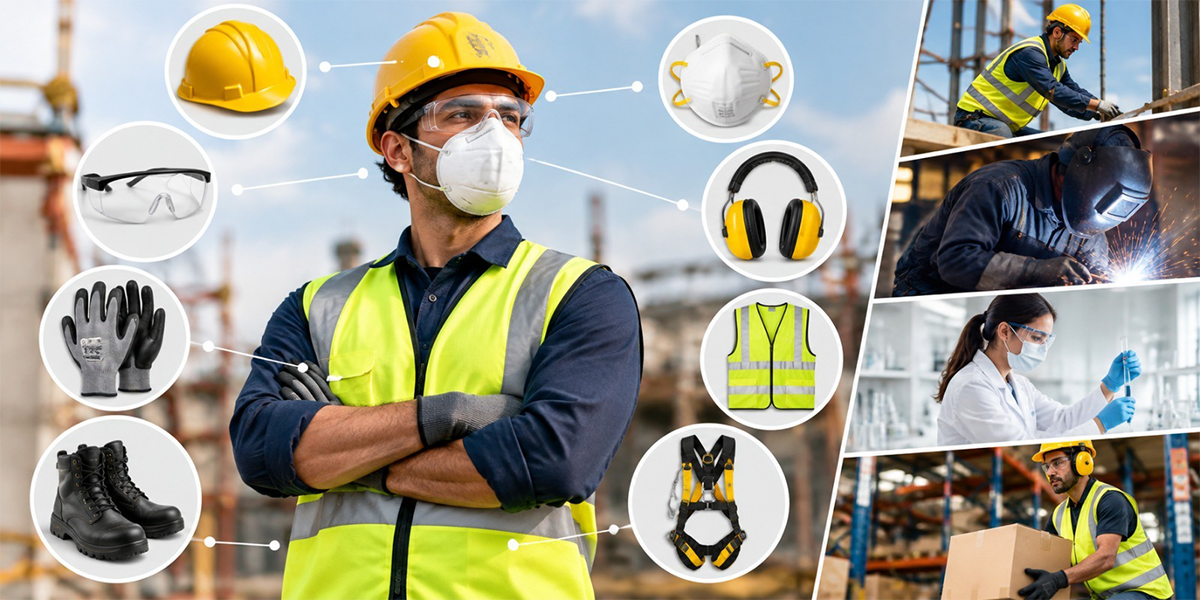
Different PPE and their uses depend on the nature of the work, the surrounding environment and the type of exposure a worker may encounter. Protective equipment is not designed as one universal solution for every workplace. Instead, each item is intended to address particular risks, such as falling objects, sharp materials, excessive noise, airborne particles or poor visibility.
Why Is Personal Protective Equipment Used at Work?
Personal protective equipment is generally used when workers may still face hazards after other safety measures have been considered. It provides an additional layer of protection between a worker and a potential source of harm. The equipment selected should therefore relate to the actual conditions of the task rather than simply the type of workplace.
PPE personal protective equipment includes clothing, accessories and equipment designed to protect different parts of the body. Headgear, gloves, protective footwear, eyewear, hearing protection and specialist garments all serve different purposes. Their effectiveness depends on selecting equipment that matches the exposure and using it correctly.
PPE is normally considered alongside other workplace controls rather than as a replacement for them. Safer working methods, suitable machinery controls and clear operating procedures can reduce exposure before protective equipment is introduced. PPE can then provide an additional layer of protection where some level of risk remains.
Protective equipment may be required for several reasons, including:
- Reducing contact with specific physical hazards.
- Limiting exposure to dust, particles or splashes.
- Protecting sensitive areas such as the eyes and ears.
- Improving worker visibility in active work zones.
- Providing additional protection during work at height.
- Supporting safer handling of particular materials.
The equipment required can also differ between workers in the same facility. Their duties, tools, movement patterns and exposure levels may not be identical. This makes task-based selection more appropriate than providing exactly the same equipment to every employee.
Different PPE and Their Uses Across Workplace Protection
The types of PPE used for a particular job can be grouped according to the body area they protect and the hazard they are intended to address. Looking at each category separately makes it easier to understand why protective products differ in their design, materials and construction.
Head Protection
Head protection is used where workers may be exposed to impact from falling or moving objects. A PPE hard hat commonly consists of an outer shell and an internal suspension system. The suspension helps position the helmet correctly while creating space between the shell and the worker’s head.
The type of headgear to be used will depend on the nature of the risks involved in the workplace. The workers should ensure that the headgear fits appropriately and stays in good condition for its intended period of use.
Eye and Face Protection
Eye protection is relevant during activities such as cutting, drilling, grinding and material handling. Safety glasses may provide basic coverage, while goggles can offer a closer fit around the eyes. The appropriate choice depends on the type of exposure and the level of coverage required.
Face shields extend protection beyond the eyes and can help cover larger areas of the face from certain particles, splashes or task-related hazards. In some situations, they may be used together with suitable eye protection because the two products do not necessarily provide the same coverage.
Hearing Protection
Hearing protection is used where workplace noise may create a risk to hearing. Earplugs are positioned within the ear canal, while earmuffs cover the ears externally. Selection can depend on the noise environment, exposure duration and practical requirements of the task.
Communication needs and comfort should be taken into account by workers when choosing hearing protection for longer periods. The equipment should offer adequate protection while not causing any problems with the tasks being carried out.
Respiratory Protection
Respiratory protection addresses airborne hazards that cannot always be adequately controlled through other measures. Different respiratory products are designed for different conditions, so equipment should not be selected simply because it is labelled as respiratory protection.
The substance involved, its concentration, the working environment and the equipment specifications all need to be considered. Correct selection is particularly important because respiratory products are designed for specific forms of exposure rather than general use.
Hand Protection
Hand protection is important when workers handle tools, materials or components. Gloves can be designed for different purposes, including protection against abrasion, cuts, punctures or certain substances. A glove suitable for one activity may not provide the characteristics required for another.
These factors are also important since employees usually have to handle tools or small parts while wearing gloves. In such cases, the need for protection has to be balanced against the movement needed to do the job.
Foot Protection
Footwear is another important category because workers may encounter heavy objects, uneven surfaces, slippery areas or other physical conditions. Safety foot protection PPE can include features such as protective toe areas, specialised soles and materials designed for particular working environments.
The required footwear should correspond with the conditions in which it will be used. For example, protection against impact may require different features from footwear intended primarily for improved grip or resistance to particular workplace conditions.
Protective Clothing
Protective garments can provide coverage across the torso, arms and legs. Depending on their construction, garments may be designed for particular environmental or task-related exposures.
In selecting protective clothing, the risk of exposure as well as the worker’s need to move freely must be taken into account since clothing that hinders movement or causes discomfort may influence its use by workers.
High-Visibility Protection
Visibility becomes important in workplaces where workers operate around vehicles, mobile equipment or poorly separated work zones. High-visibility garments help make a person easier to identify within the surrounding environment.
Their purpose differs from protective clothing designed primarily to resist physical or environmental hazards. In some work areas, visibility garments may therefore form part of a wider combination of protective equipment.
Fall Protection
Fall protection equipment is associated with activities where workers may be exposed to a fall from height. Harnesses, connectors and other compatible components form part of a wider protective system.
Using the fall protection equipment is not just about wearing a harness. It involves several things including inspection of the equipment, proper procedures, fitment and employee training.
How PPE Requirements Change Between Different Jobs
A clear understanding of different PPE and their uses helps explain why protective requirements can change from one task to another. A worker carrying materials may need different protection from someone operating machinery or performing maintenance in a restricted area. The selection process should therefore begin with understanding the work rather than choosing products first.
For PPE for construction workers, requirements can change from one stage of a project to another. Site preparation, structural work, electrical activities, finishing tasks and material handling can present different conditions. Workers may consequently require combinations of head, eye, hand, foot, visibility and fall protection according to their responsibilities.
Industrial environments can also contain several different exposure patterns. PPE for industrial workers may be selected around machinery, production processes, maintenance activities or material movement. The equipment required by a machine operator may therefore differ from that used by a maintenance technician working nearby.
Several workplace conditions can influence PPE selection:
- The type and severity of the hazard.
- The length of time workers are exposed to it.
- The movement and physical demands of the task.
- Temperature, moisture and ventilation conditions.
- The need to combine several protective products.
- The frequency with which equipment needs to be inspected or replaced.
Compatibility is another important consideration when several products are worn together. Equipment should work together without creating unnecessary interference or reducing the intended protection of another item. Head, eye and hearing protection, for example, may need to be selected as a compatible combination.
safety equipment and PPE should therefore be considered as part of a coordinated workplace approach. Products that work effectively on their own may require additional assessment when combined with other equipment. Considering the complete set of protection needed for a task can help reduce potential compatibility problems.
Selecting and Maintaining Suitable Protective Equipment
Choosing protective equipment involves more than identifying a product category. The actual workplace hazard, expected exposure, equipment specifications, worker requirements and conditions of use should all be considered. This helps ensure that the selected equipment is relevant to the work rather than simply available.
A practical selection process may involve:
- Identifying the hazards associated with the task.
- Determining which areas of the body require protection.
- Checking the specifications of suitable equipment.
- Considering fit, comfort and worker movement.
- Confirming compatibility when several products are worn.
- Establishing inspection and replacement procedures.
Fit becomes especially crucial because the protective gear needs to stay properly positioned when moving normally. The gear that is too loose or too tight will influence its comfort and usability. Workers should understand how to wear and adjust their equipment before beginning the relevant activity.
Maintenance also affects the continued suitability of PPE. Reusables must be stored properly and inspected for any sign of damage. Cleaners may vary among products, hence employees must follow the manufacturer’s recommended guidelines for cleaning instead of using a single technique for all items.
For companies operating in Dubai, PPE planning can vary across offices, workshops, warehouses, construction sites and industrial facilities. There could be variation in the type of equipment that is required depending on the manpower and activities involved.
Businesses may source products through PPE suppliers in Dubai according to their specific workplace requirements. This may involve amounts, requirements for the product, needs for employees, and replacement needs. An effective purchasing process could assist companies in avoiding using inappropriate equipment simply because it is easily accessible.
Organisations looking for multiple categories may also work with safety equipment suppliers in Dubai. Product specifications and applications can be compared to help organisations determine which protective equipment is appropriate for particular tasks. Information provided by the supplier must complement the workplace hazards analysis done by the organisation.
Conclusion
Looking at different PPE and their uses shows why no single protective product can address every workplace requirement. Head protection, eye and face protection, hearing protection, respiratory equipment, gloves, footwear, protective clothing, visibility garments and fall protection each serve different purposes. Their selection should therefore be based on the hazards and conditions associated with the work.
Protective equipment should be selected according to the actual task rather than treated as a universal solution. Proper fitting, compatibility, inspection, maintenance and worker awareness also contribute to effective PPE use. A structured approach can help organisations provide equipment that is appropriate for the activities their workers perform.
Lumens Groups provides PPE and safety workwear solutions for different workplace requirements, helping businesses access protective products suited to varied working environments.
Frequently Asked Questions
The use of protective equipment depends on the risk involved in the specific activity being performed. Protective helmets, eye protection, gloves, footwear, hearing protectors, respirators, and protective clothing may all serve different purposes.
No. The requirements may vary depending on a worker’s duties, exposure levels, work environment and equipment used. Workers who perform various tasks within the same plant would require various combinations of protective clothing.
Employees need to make sure that the equipment used is appropriate for the job, properly fitted and not damaged. Employees must ensure that the equipment is compatible with each other by consulting the instructions provided by the manufacturer.