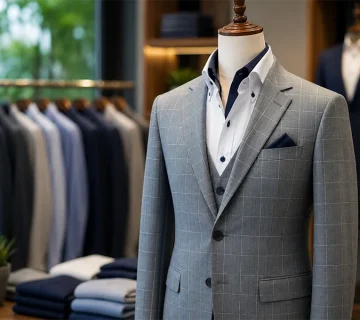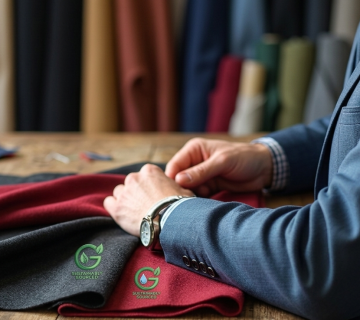
Customized uniforms distributor requirements involve more than selecting garments and adding a company logo. Businesses need a structured approach to defining clothing standards that reflect employee responsibilities, workplace conditions and organisational identity. As a workforce expands, having clear garment specifications helps maintain consistency across departments while making procurement and production easier to manage. Every decision, from fabric composition to finishing details, should be based on how employees will use their uniforms.
A well-prepared specification document provides manufacturers and suppliers with a clear understanding of the expected product. It reduces misunderstandings during design discussions and helps businesses evaluate samples against agreed requirements. Rather than making decisions based solely on appearance, organisations should consider comfort, durability, functionality and long-term suitability.
Understanding Uniform Requirements Before Developing Specifications
The first stage of uniform development is identifying the actual requirements of employees. Different departments may have distinct responsibilities, meaning that a single garment design may not be suitable for everyone. Businesses should assess daily activities, working environments and the level of movement required before finalising clothing styles.
For organisations developing custom corporate uniforms, professional appearance should be balanced with practical considerations. Office employees may require lightweight shirts and formal trousers, whereas warehouse personnel might need more durable garments with functional pockets. Understanding these differences helps businesses establish appropriate clothing standards without compromising the organisation’s overall identity.
An initial assessment should cover several important areas:
- Employee responsibilities: Identify the daily tasks performed by each department and determine the garment features needed for those activities.
- Working conditions: Consider indoor facilities, outdoor locations, temperature variations and environments involving physical activity.
- Garment categories: Decide whether shirts, trousers, coveralls, jackets, waistcoats or other clothing options are required.
- Comfort expectations: Evaluate ventilation, flexibility, fabric feel and suitability for extended working hours.
- Maintenance considerations: Establish whether garments require frequent washing, specialised care or particular finishing treatments.
These details should be documented before design discussions begin. A clear understanding of employee requirements also helps businesses avoid unnecessary modifications once production has started.
Customized Uniforms Distributor: Setting Fabric and Construction Standards
Fabric selection plays an important role in determining the performance and lifespan of workwear. Different materials offer varying levels of breathability, durability, flexibility and resistance to regular wear. Businesses should evaluate these characteristics according to the intended application rather than selecting materials based only on appearance or price.
Consulting experienced corporate uniform suppliers can help organisations understand the available fabric options and construction methods. However, the final requirements should be clearly documented so that the proposed garments can be assessed against specific expectations. This is particularly important when several garment styles need to follow a common quality standard.
The specification document should identify the following details:
- Fabric composition: Record the required fibre content, including cotton, polyester or suitable blended materials.
- Material weight: Establish an appropriate fabric weight according to garment purpose, climate and expected usage.
- Stitching standards: Identify seam construction, reinforcement areas and finishing expectations.
- Component quality: Specify suitable buttons, zips, fasteners and other garment accessories.
- Design construction: Document collar styles, pocket dimensions, sleeve patterns, hems and other structural details.
Businesses should request physical samples before approving production. This allows procurement teams to examine the material, stitching, garment shape and overall finish. Any adjustments should be completed during the sample approval stage, when changes are easier to communicate and implement.
Fabric selection should also account for repeated washing and everyday maintenance. A material that looks suitable initially may lose its appearance or shape if it is not appropriate for the intended cleaning process. Reviewing these practical details helps organisations establish more realistic quality expectations.

Defining Branding and Functional Design Elements
Branding should be incorporated into the garment development process from the beginning. Businesses need to decide how their visual identity will appear across different clothing styles while ensuring that the selected application method suits the fabric. Logo dimensions, positioning, colours and finishing should be recorded as part of the approved design.
For branded work uniforms, maintaining a recognisable appearance involves more than using the same logo. Garment colours, design proportions and placement of identification elements should follow consistent standards. This is particularly relevant for organisations with several departments that use different clothing styles.
The branding document should include:
- Logo placement: Specify whether the artwork should appear on the chest, sleeve, back or another approved area.
- Application technique: Choose embroidery, printing or another appropriate method based on the material and design.
- Colour references: Record approved colour codes to reduce variations between production batches.
- Artwork specifications: Provide high-quality logo files and confirm the correct version before production.
- Identification details: Determine whether employee names, department labels or role identifiers are necessary.
Functional details should receive the same attention as visual elements. Pocket positioning, reflective components, adjustable features and reinforced sections may improve garment suitability for particular tasks. These requirements should be clearly described so that production teams understand the intended purpose of each feature.
In Dubai, businesses with varied operational departments may need different garment designs under a shared corporate identity. Documenting approved colours and branding standards helps maintain a coordinated appearance without requiring every employee to wear identical clothing.
Organising Sizing, Quantities and Production Requirements
Accurate sizing information is essential when preparing a uniform order. Standard size charts may not accommodate every employee comfortably, so businesses should consider individual measurements and sample fittings where appropriate. They should also establish the measurement standards that will be followed throughout the production process.
When arranging bulk uniform orders, organisations should prepare a clear quantity breakdown for each garment type, department and size category. This helps procurement teams communicate their requirements accurately and reduces the likelihood of incorrect allocations. A structured ordering process also makes it easier to identify shortages before production begins.
A practical sizing and production plan should include:
- Available size ranges for each garment category.
- Measurement guidelines for chest, waist, sleeve and garment length.
- Sample fitting and approval procedures.
- Quantity requirements by department and employee category.
- Expected production and delivery schedules.
- Procedures for replacements, alterations and additional requirements.
Businesses should also maintain records of approved designs and measurements. These documents provide a reference when new employees join or existing teams require replacement garments. They also reduce the need to restart the specification process whenever another order is placed.
For company uniforms with logos, organisations should additionally ensure that branding remains clear across different garment sizes and styles. A design that works well on a standard shirt may need adjustments when applied to a larger jacket or a different garment material. Reviewing these variations during sample approval can prevent inconsistencies in the finished products.
Growing organisations should also consider how their clothing requirements might change over time. New departments, additional employee roles and revised operational responsibilities may introduce the need for different garment categories. Keeping specifications organised makes future updates easier to manage.
Choosing a Suitable Manufacturing and Supply Partner
Once garment requirements have been established, businesses need a supply partner capable of translating the documented details into finished products. The assessment should consider product range, manufacturing capabilities, material availability, communication and quality assurance procedures. A supplier should understand both the technical requirements and the intended application of each garment.
When comparing custom workwear suppliers, businesses should ask about fabric sourcing, sample development, branding techniques and production quality checks. They should also understand how design changes are communicated and whether different garment categories can be managed within one coordinated supply arrangement. These discussions help establish realistic expectations before confirming an order.
Organisations researching uniform manufacturers in Dubai should examine their ability to meet the agreed garment specifications rather than relying solely on product photographs or general descriptions. Sample inspections, production references and clear communication provide a more useful basis for evaluating suitability.
A capable uniform supplier in Dubai should also be able to explain available materials, garment construction options and practical customisation possibilities. Businesses should retain approval over the final designs while using the supplier’s product knowledge to make informed decisions.
Conclusion
Developing detailed garment specifications helps businesses establish professional clothing standards that can adapt as their workforce grows. Working with a reliable customized uniforms distributor can help organisations translate their requirements into suitable garment designs and consistent production standards. From identifying employee requirements and selecting suitable materials to defining branding, sizing and production details, each stage contributes to the final quality of the garments. Maintaining accurate records can also make procurement decisions more straightforward in the future and keep different departments consistent in their approach.
With support from an experienced supply partner, businesses can develop workwear that reflects their brand identity while meeting the practical requirements of their workforce.
At Lumens Groups, businesses can explore workwear and uniform solutions suited to different organisational requirements. Clear communication about garment styles, materials, branding and quantities helps establish a more structured approach to uniform procurement.
Frequently Asked Questions
Businesses should prepare employee details, preferred garment styles, fabric choices, sizing requirements, branding preferences and estimated quantities before discussing a uniform order.
Businesses can request physical samples and assess fabric quality, stitching, garment measurements, finishing and overall comfort. Reviewing these aspects before production approval helps identify necessary changes and establish clear quality expectations.
An organisation should review its requirements when introducing new employee roles, changing workplace activities or identifying issues with existing garment performance. Periodic assessments can also reveal opportunities to improve comfort, functionality and garment durability.