
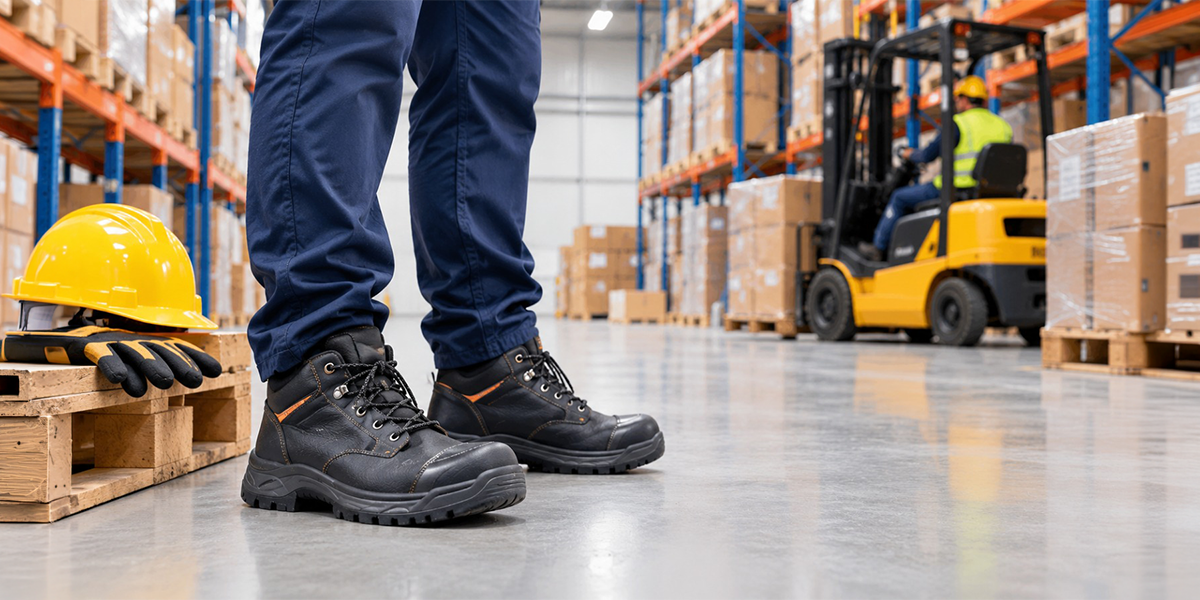
Safety shoes suppliers in Dubai need to look beyond basic protection when choosing footwear for different working environments. A warehouse operative, construction worker and loading-bay employee can face very different hazards during a normal shift. Understanding those differences helps businesses select footwear that is practical for the job rather than relying on a single option for every employee.
Understanding Footwear Needs Across Different Workplaces
Workplace footwear forms part of personal protective equipment used to help protect workers from hazards associated with their duties. A warehouse worker may spend several hours walking between storage aisles, while a construction worker could move across uneven ground and unfinished surfaces. These differences can affect the level of protection, grip, support and comfort required.
Warehouse operations often involve continuous walking, standing, lifting and movement around equipment. Employees may also work close to loading areas where goods are moved using trolleys or mechanical equipment. Footwear therefore needs to remain comfortable during long shifts while providing suitable protection for the activities being performed.
Construction environments can present a broader range of physical hazards. Industrial safety shoes may be suitable where workers need protection from impact, compression or other site-related risks. The specification should still be selected according to the actual duties rather than assuming every worker on a construction project needs identical footwear.
A supplier can begin the assessment by reviewing:
- The surfaces employees regularly walk across.
- The likelihood of impact, crushing or penetration hazards.
- How many hours of footwear is normally worn each day.
- Whether work takes place indoors, outdoors or in both settings.
- How frequently employees climb, kneel, lift or carry materials.
This type of assessment gives procurement teams a clearer starting point. It also reduces the risk of buying products based mainly on appearance or price when the working environment requires more specific characteristics.
How Safety Shoes Suppliers in Dubai Can Match Products to Tasks
Safety shoes suppliers in Dubai should understand the relationship between footwear design and the activities performed by different employees. A person working inside a distribution centre may need flexibility and comfort, whereas someone handling construction materials may require greater protection and stability. The right recommendation begins with understanding the role rather than simply presenting a catalogue of available products.
Protective footwear can vary considerably in construction, materials and protective features. Toe protection, sole design, resistance properties and overall build can influence how well a particular product suits a working environment. Buyers should therefore review product specifications carefully before deciding which footwear is appropriate.
Employees who spend much of their shift walking may have different requirements from workers who remain in one area. Work safety shoes should allow practical movement while providing the protection expected for the relevant duties. Comfort also becomes increasingly important when footwear is worn continuously throughout a working day.
A practical assessment can include:
- Identifying the main hazards connected with each job.
- Comparing product specifications with those hazards.
- Separating footwear requirements by department where necessary.
- Considering expected product life and replacement frequency.
- Reviewing comfort alongside protective performance.
This approach gives businesses a more useful basis for procurement. It also helps avoid selecting a product simply because it is widely used when another design may be better suited to a particular role.
Construction Sites Require More Than Basic Protection
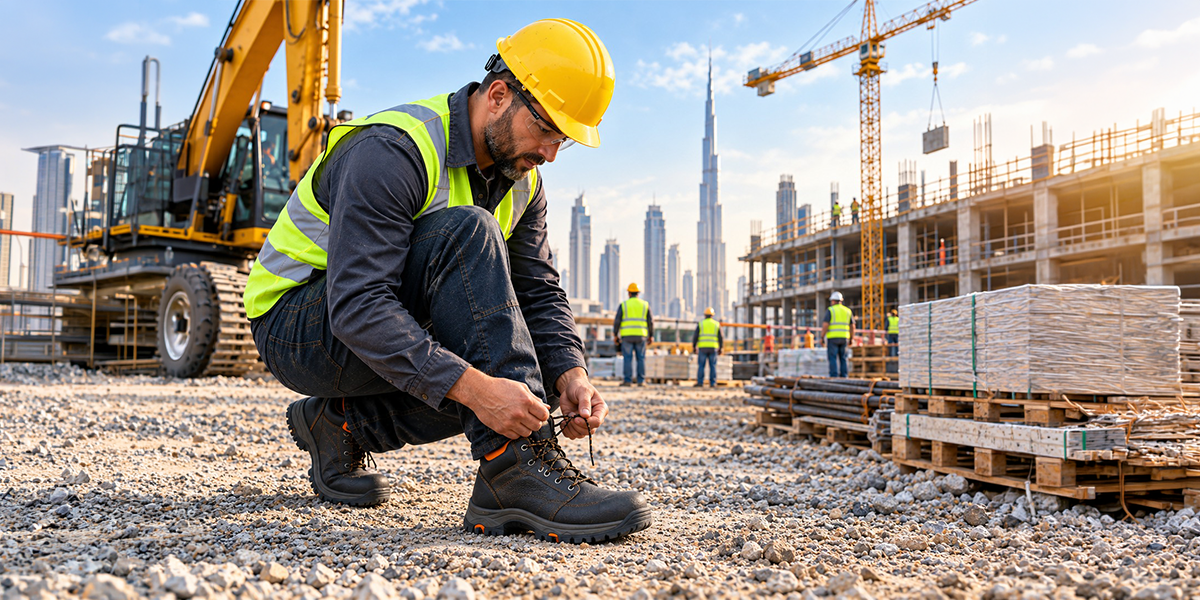
Construction workers can move between completed areas, unfinished sections, storage zones and external spaces during the same shift. Their footwear needs to support these changes without creating unnecessary restrictions. Safety footwear requirements should therefore be established before purchasing decisions are made.
For demanding construction roles, safety shoes for construction workers should be selected according to the hazards employees face during their normal duties. Concrete floors, compacted soil, temporary access routes and uneven sections can place different demands on footwear. The chosen design should provide appropriate protection while remaining practical for movement around the site.
Footwear height can also influence how a product feels during daily work. High ankle safety shoes may suit workers who require additional ankle coverage when working across uneven surfaces or carrying out physically demanding tasks. The decision should be based on the employee’s duties rather than assuming that a higher design is automatically better.
Other factors worth reviewing include:
- Whether employees work mainly indoors or outdoors.
- The level of exposure to dust, moisture and construction debris.
- How frequently workers climb ladders or access elevated areas.
- The amount of walking involved during a typical shift.
- How easily the footwear can be cleaned after use.
These details become particularly important when footwear is being purchased for several teams. A design that works well for one group may not offer the same practical advantages for another group performing different tasks on the same project.
Selecting Footwear for Warehouse and Logistics Operations
Warehouses may appear more controlled than construction sites, but employees can still encounter risks from moving equipment, stored materials and busy loading areas. Footwear selection should reflect the activities taking place around storage aisles, dispatch zones and handling areas. Long periods of standing and walking also make everyday comfort an important consideration.
Warehouse employees often repeat the same movements throughout their shifts. They may walk between storage locations, turn frequently, lift goods and move through narrow aisles. Footwear that feels unnecessarily heavy or restrictive can become uncomfortable over time, so product weight and flexibility deserve attention alongside protection.
Some indoor roles may benefit from a lower-profile footwear design. Low ankle safety shoes can suit certain work environments where additional ankle coverage is not necessary for the duties involved. Their suitability should still be assessed against the specific risks present within the facility.
Procurement teams can compare products by considering:
- Comfort during extended periods of walking and standing.
- Grip on the facility’s main floor surfaces.
- Ease of movement when turning or carrying goods.
- Durability under repeated daily use.
- Compatibility with the organisation’s workwear requirements.
A balanced selection can make footwear more practical for everyday use. When employees find their footwear comfortable and suitable for their duties, they are more likely to use it consistently throughout their working shifts.
Balancing Comfort, Durability and Employee Acceptance
Protection is an essential part of workplace footwear, but comfort should not be treated as a secondary concern. Employees who spend most of their day standing or walking can quickly notice problems with fit, weight or flexibility. A product that meets technical requirements but is uncomfortable in practice may create avoidable resistance among workers.
Durability also affects the overall value of a footwear purchase. Products used around dust, debris, rough surfaces and heavy equipment can experience considerable wear. Businesses should consider expected service life and replacement requirements rather than judging a product solely by its initial purchase price.
Employee feedback can make the selection process more practical. A small trial involving workers from different roles can reveal whether a particular design remains comfortable and functional during normal duties. This can provide useful information before a larger order is placed.
Suppliers can assist by explaining the differences between available models and relating those differences to workplace conditions. Not simply trying to sell everyone the same item, an experienced supplier can assist buyers in knowing why one specification is more appropriate to do the job than another. This helps to make the purchase more transparent and self-justifiable within a business.
Building a Practical Procurement Strategy
Businesses operating across warehouses, construction areas and logistics facilities may need several footwear categories rather than one universal product. Safety shoes suppliers in Dubai can contribute more effectively when they understand the different responsibilities within the workforce. A role-based approach allows purchasing teams to establish clearer specifications before placing an order.
Standardisation can still be useful for larger organisations. Employees performing similar duties across different locations can follow consistent footwear specifications, while roles with higher or different risks can receive more suitable products. This can simplify procurement without ignoring differences between working environments.
Another often overlooked issue is supply continuity. If an employer is using a style of footwear for their large workforce, then replacements of the same size and a comparable style should still be available. This will make future replacements and onboarding of new employees much easier to administer.
A structured purchasing process may involve:
- Identifying hazards for each employee group.
- Establishing minimum footwear specifications.
- Comparing products against those specifications.
- Testing representative models before a larger purchase.
- Gathering employee feedback after implementation.
- Maintaining a clear replacement process for worn footwear.
This allows a repeatable way to buy, rather than having to make each purchase as a separate purchase decision. It can also help organisations standardise their working arrangements when staffing levels or operational needs fluctuate.
Conclusion
Choosing suitable workplace footwear requires a clear understanding of how employees perform their duties. Safety shoes suppliers in Dubai can provide greater value when they consider the differences between warehouses, construction areas and logistics operations instead of recommending one product for every role. Businesses should assess hazards, comfort, durability, movement requirements and product availability before finalising their choices. A practical, role-based approach can support workplace protection while making footwear more suitable for everyday use.
For businesses looking for suitable workplace footwear, Lumens Groups supplies safety shoes designed for different working environments, helping organisations select practical options for construction, warehouse and industrial applications.

