
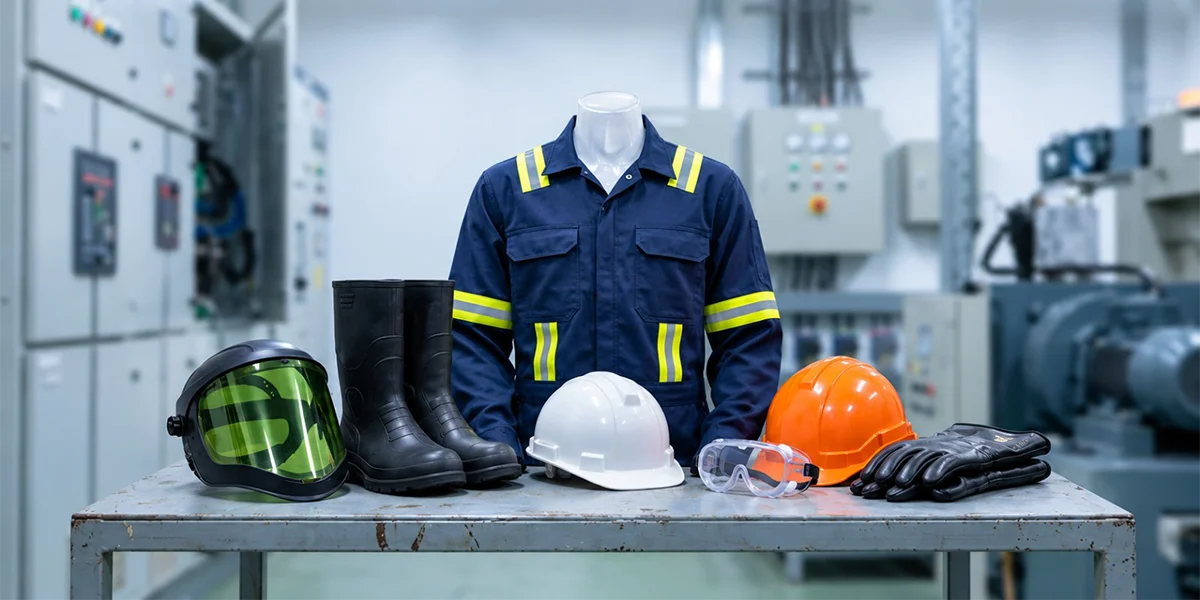
PPE supplier in UAE solutions are evolving as businesses look beyond basic protective gear and consider how equipment performs during demanding shifts. Heat, humidity, direct sunlight and physically intensive duties can affect comfort, concentration and mobility. Climate-adaptive PPE responds to these challenges by combining dependable protection with materials and designs suited to demanding conditions.
For employers, this change is more than a product trend. The right equipment can support safer routines when workers need protection for several hours. It also encourages businesses to consider comfort, fit and usability alongside the technical requirements of each task.
Why Climate-Adaptive PPE Matters in Demanding Workplaces
Protective equipment needs to remain practical throughout the working day. When garments retain excessive heat or headgear provides limited ventilation, discomfort can build as the shift continues. This can affect how consistently workers use their equipment.
Modern PPE personal protective equipmentincreasingly considers ergonomics as well as hazard protection. Breathable construction, moisture management and reduced weight can make equipment easier to wear. These features should complement, rather than replace, the protection required for a particular job.
Businesses can assess environmental demands by reviewing:
- Length of exposure during each shift.
- Physical effort required for different duties.
- Indoor or outdoor working conditions.
- Heat and moisture levels.
- Hazards linked to specific tasks.
- Compatibility between individual PPE items.
A useful assessment prevents businesses from choosing equipment simply because it feels lighter or more comfortable. Protection remains the first consideration, while climate suitability can improve how effectively that protection works in daily operations.
How Protective Clothing Is Becoming More Adaptive
Businesses working with PPE manufacturers in UAE can explore protective solutions developed around specific industrial requirements. Manufacturers can offer different material options, garment constructions and performance features, allowing businesses to consider protection alongside ventilation, flexibility and durability.
Protective clothing suppliers can offer garments with breathable fabrics, ventilation zones and moisture-managing construction.The choice of the best material would be based on the type of work done and the degree of protection required. Employers ought to evaluate protective clothing on the basis of actual working conditions.
The same thinking applies to industrial uniforms. A maintenance technician may need different features from a warehouse operative, even when both work within the same organisation. Role-specific design can improve movement while keeping workwear functional and professional.
Hand protection also requires careful attention. Proper industrial heat-resistant gloves must offer adequate protection from heat without restricting the ability to grip. The right construction and the right fit will allow workers to manipulate the tools and materials better.
When evaluating protective clothing, businesses can consider:
- Breathability and moisture management.
- Weight and flexibility.
- Resistance to relevant workplace hazards.
- Freedom of movement.
- Compatibility with other PPE.
- Cleaning and replacement requirements.
This approach helps organisations build a clothing programme around actual working conditions. It also reduces the risk of choosing equipment that technically meets a requirement but becomes impractical during extended use.
PPE Supplier in UAE: Smarter Designs for Head and Visibility Protection
Head protection is another area where product design is becoming more responsive to working conditions. Hard hats and safety vestsremain essential for many industrial roles, yet newer designs can incorporate better ventilation, reduced weight and improved compatibility with additional protective accessories.
Visibility also deserves careful consideration in busy work areas. A high visibility workwear should always be visible around the presence of machines and vehicles. On the other hand, a breathable material would ensure that the wearer remains comfortable throughout.
Technology is creating further possibilities for protective equipment. Sensors and connected devices can potentially provide information about environmental exposure, movement and other workplace conditions. While smart PPE is still developing, these innovations point towards equipment that could become more responsive to individual working environments.
Businesses comparing safety equipment suppliers should therefore assess more than product availability. They can review product range, sizing, compatibility, replacement support and practical guidance. A supplier that understands different workplace applications can make it easier to develop a coherent PPE programme.
An industrial safety equipment supplier can similarly support a role-based approach to protection. Instead of providing the same protective equipment to everyone, the organization could decide to provide certain products based on the nature of the risk and task. This will help to make the process realistic and not only uniform.
Building a More Effective Climate-Adaptive PPE Strategy
Climate-adaptive PPE works best when selection begins with the worker and the task. A construction professional, maintenance technician and warehouse operative may face different combinations of heat, movement and physical hazards. Their protective equipment should reflect those differences.
A structured review can help businesses make informed decisions:
- Identify hazards associated with each task.
- Assess environmental and physical demands.
- Establish the required protection level.
- Compare suitable materials and product designs.
- Check comfort and mobility during realistic activities.
- Train employees in correct use and maintenance.
- Review feedback after implementation.
A single industrial safety product may address one specific risk, but effective protection usually depends on several products working together. Head, hand, eye, foot and body protection should therefore be considered as parts of one coordinated system.
Worker feedback can provide valuable information after new equipment is introduced. Employees can identify issues involving heat retention, restricted movement, sizing or compatibility that may not become apparent during procurement. Their experience can help businesses refine future purchasing decisions.
The role of a safety products supplier in UAE can extend beyond supplying individual items. Consistent availability, product variety and practical guidance can help organisations maintain suitable equipment as workforce requirements change.
Conclusion
Climate-adaptive PPE is changing how businesses approach worker protection in demanding environments. The shift is away from equipment that only satisfies the protective requirement towards those that continue to be viable even after extended use. Some of the aspects involved in this shift include breathable materials, ergonomic design, better ventilation, and wearable technology.
In the case of an employer, it is important that they consider the matching of the right equipment with the danger and environment. Comfort is important because equipment which is not comfortable may affect its regular usage, but comfort must not supersede safety.
Selecting a PPE supplier in UAE can therefore form part of a wider safety strategy rather than a straightforward purchasing decision. Businesses that assess product suitability, worker needs, compatibility and long-term performance can create a more practical protective equipment programme.
For businesses seeking dependable workplace protection, Lumens Groups supplies a wide range of PPE and safety products designed for different industrial environments. Its range includes protective clothing, gloves, helmets, safety footwear and high-visibility equipment, helping businesses source suitable solutions based on their specific workplace requirements.
Frequently Asked Questions
Organizations need to evaluate hazards in the workplace, time of exposure, physical exertion, level of protection needed, fit, ventilation, and compatibility with other equipment. Equipment needs to be chosen based on how employees function rather than just for comfort.
Breathable fabrics, lighter construction, moisture management and ergonomic designs can reduce unnecessary discomfort during demanding work. Better comfort can make it easier for employees to keep protective equipment correctly positioned throughout their shifts.
Smart PPE can be useful where connected technology provides relevant information about environmental exposure or worker activity. Businesses should assess whether these features offer a practical safety benefit before introducing them into an existing protection programme.