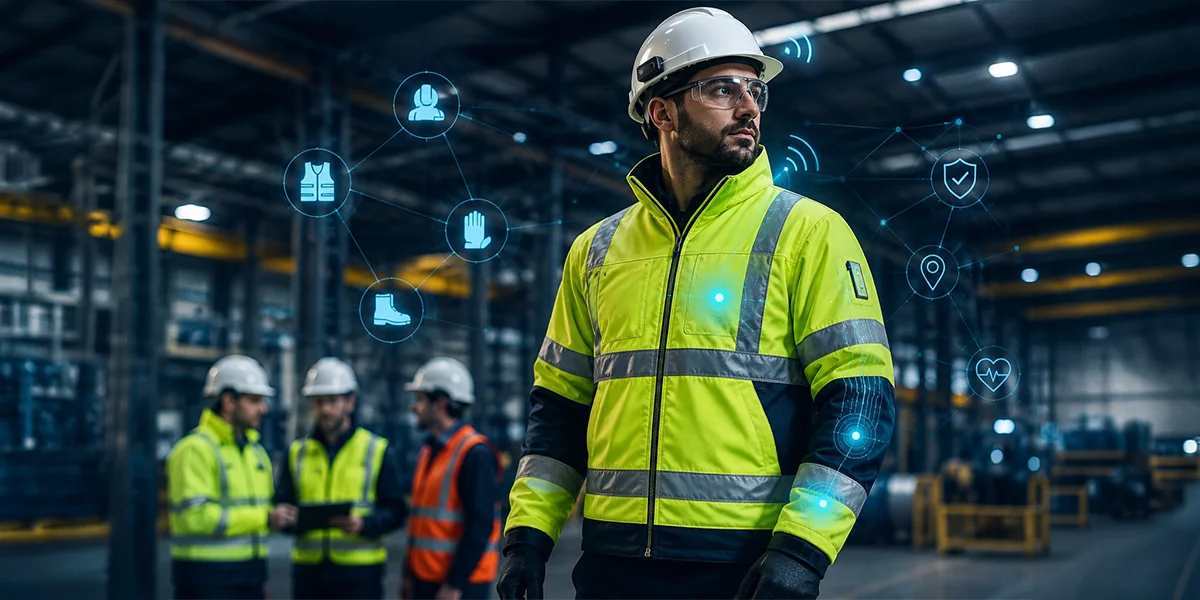
Protective clothing suppliers are no longer focused only on producing garments that meet basic workplace protection requirements. Digital technology is changing how protective equipment can monitor conditions, support worker awareness and respond to emerging risks. Connected garments, wearable sensors and data-driven safety systems are gradually creating a more proactive approach to occupational protection.
Traditional PPE is designed to create a physical barrier between workers and hazards. Modern technology can add another layer by collecting information about movement, environmental conditions and potential exposure. This shift does not replace established protective measures, but it can make workplace safety strategies more responsive and informed.
Protective Clothing Suppliers and the Shift Towards Connected PPE
The development of connected PPE is being influenced by the growing use of compact sensors and wireless communication technology. Sensors can potentially be integrated into garments, helmets, footwear or accessories without significantly changing their everyday purpose. When appropriate systems are used, collected information can help safety teams understand conditions that may otherwise be difficult to observe.
Smart PPE can monitor different factors depending on the work environment and technology involved. Temperature, movement, location, impact and exposure are examples of information that connected devices may capture. The usefulness of this data depends on accurate sensors, appropriate software and a clear process for responding to alerts.
A digital safety system may provide several practical benefits:
- Earlier identification of unusual workplace conditions.
- Better visibility of worker movement in designated areas.
- Faster communication when a potential incident is detected.
- Useful information for reviewing recurring safety patterns.
- Improved understanding of how protective equipment is used.
The technology is particularly relevant where workers operate around machinery, elevated areas, restricted zones or changing environmental conditions. Rather than relying entirely on post-incident reports, connected systems can provide additional information during normal operations. This creates opportunities for safety teams to identify patterns before they develop into more serious problems.
How Smart Workwear Can Support Everyday Risk Management
Smart garments are becoming more practical because electronic components are becoming smaller and easier to integrate. A connected vest, for example, could potentially combine visibility features with location technology or environmental sensors. The design still needs to prioritise comfort, durability and protection because technology has little value if workers are unwilling or unable to use it consistently.
For security personnel working during low-light conditions, a hi vis security jacket can provide an important visibility layer. Future versions of high-visibility garments could incorporate additional digital functions while retaining reflective materials and practical construction. Such developments may help organisations combine conventional protection with useful monitoring capabilities.
Connected equipment can also support lone-worker safety. If a system detects an unusual period of inactivity or a sudden impact, it may be capable of triggering an alert according to the organisation’s predefined procedures. This can give supervisors another way to respond when direct visual monitoring is not possible.
However, technology should not be introduced simply because it is available. Businesses should first identify the risks they are trying to manage and then determine whether connected equipment provides a meaningful improvement. A clear purpose helps prevent unnecessary devices from becoming another burden for workers.
Designing Protective Equipment Around Worker Behaviour
The effectiveness of PPE depends partly on whether workers use it correctly throughout their shifts. Uncomfortable garments, excessive weight or restricted movement can discourage consistent use, particularly during physically demanding tasks. Digital features therefore need to be incorporated without compromising the basic comfort and functionality of protective equipment.
The selection of construction work clothes should consider the activities workers perform, the surrounding environment and the duration of exposure. Garments used on active construction sites may need to accommodate bending, climbing, lifting and frequent movement. Fabric selection, ventilation and garment construction can influence whether protective clothing remains practical throughout a working day.
Modern design can also support better visibility without making garments unnecessarily heavy. Reflective panels, breathable fabrics and ergonomic cuts can be combined with suitable protective features. When digital components are added, manufacturers need to consider battery placement, washing requirements and resistance to dust or moisture.
Businesses can evaluate connected workwear by considering:
- Whether the technology addresses a clearly identified workplace risk.
- How comfortably employees can wear the equipment for extended periods.
- Whether electronic components can withstand the working environment.
- How the equipment will be maintained, cleaned and replaced.
- Whether collected information can support practical safety decisions.
This approach keeps the worker at the centre of PPE selection. Technology should strengthen protection rather than become a distraction from established safety procedures.
From Basic Protection to Data-Informed Safety Decisions
The main difference between traditional and connected PPE is the additional information that technology can provide. Conventional equipment protects the wearer but generally does not communicate its condition or the surrounding environment. Connected equipment can potentially create a continuous flow of information for authorised safety personnel.
For businesses comparing a safety products supplier in UAE, the evaluation process can therefore extend beyond product appearance and basic specifications. Organisations may need to consider compatibility, technical support, device management and data handling. A supplier with a broader understanding of workplace requirements can help businesses determine whether connected products are appropriate.
Data can be particularly valuable when it is reviewed over time rather than treated as an isolated alert. Repeated temperature increases, unusual movement patterns or frequent incidents in a particular area may reveal operational weaknesses. Safety managers can use these observations alongside inspections, training and established risk assessments.
The objective is not to monitor workers unnecessarily. The proper implementation of the program will determine which information needs to be collected, its necessity, and who can access the data and for how long. Proper communication with the workers might help build trust and assure that the technology is used for valid security reasons.
The Role of Manufacturers in Next-Generation PPE
The development of intelligent protective equipment requires collaboration between garment specialists, technology providers and workplace safety professionals. Even an advanced product requires fulfilling basic criteria pertaining to protection, durability and usability. Hence, there is always a need for manufacturers to balance innovation with reality.
The role played by PPE manufacturers in UAE becomes increasingly pertinent to the business organizations looking for protective gear suitable to their environment. Factors such as high temperatures, exposure outdoors, and challenging work environments play an important role in determining the materials used in manufacturing the protective gear.
Another consideration is interoperability. Organisations may use different digital platforms for access control, incident reporting, asset tracking or workforce management. PPE technology becomes more useful when it can operate effectively within an existing safety ecosystem rather than creating another isolated system.
Manufacturers may also need to consider:
- Battery life and charging requirements.
- Sensor durability under demanding conditions.
- Compatibility with existing workplace technology.
- Cleaning and maintenance procedures.
- Availability of replacement components.
- Training requirements for users and supervisors.
These factors can determine whether an innovative product becomes a practical workplace solution or remains an experimental addition.
Combining Conventional PPE With Digital Capabilities
Digital technology does not make established protective equipment unnecessary. Items such as helmets, protective footwear, gloves, eye protection and high-visibility garments remain important where relevant hazards exist. Technology should complement these controls rather than encourage organisations to reduce essential physical protection.
For example, hard hats and safety vests can provide fundamental protection and visibility on active worksites. Additional sensors could potentially support functions such as impact detection or location awareness, depending on the product design. The combination creates a layered approach in which physical protection and digital information work together.
This layered model can be especially useful when different teams face different risks. A warehouse operative, site supervisor and maintenance technician may require different combinations of protective equipment and digital features. Selecting equipment according to actual job requirements is more effective than applying the same technology to every employee.
Building a More Connected Industrial Safety Strategy
The future trend in PPE will include more integration among clothes, wearables and office management systems. But for successful integration, there will be some practical considerations like reliability, costs, workers’ acceptance and quality of data generated. It is necessary to measure the worthiness of the new safety technology rather than just using it.
Modern industrial uniforms & safety wear can increasingly combine professional appearance, comfort and protective performance. Adding digital functions could extend this role by allowing garments to become part of a wider safety network. The most useful developments will be those that remain simple for workers while providing meaningful information to safety teams.
Businesses also require suppliers who can distinguish between product catalogue and comprehensive PPE strategy. Industrial uniform suppliers will be able to help businesses in matching uniforms with jobs and workplace needs. In addition to ensuring consistency, this would make technology up-gradation easy in the future.
What Businesses Should Consider Before Adopting Smart PPE
Businesses should begin with a clear assessment of existing risks rather than selecting technology first. A connected garment may be valuable in one workplace but unnecessary in another. Understanding the problem allows procurement teams to establish useful performance criteria before comparing products.
Cost should also be assessed over the full product lifecycle. Purchase price is only one consideration when equipment requires charging, software support, calibration, replacement components or employee training. A product that appears inexpensive initially may become less attractive if its ongoing requirements are difficult to manage.
A practical evaluation can include:
- Identifying the specific risks that require additional monitoring.
- Assessing worker comfort and acceptance.
- Reviewing durability and maintenance requirements.
- Establishing data protection and access procedures.
- Measuring whether the technology produces useful safety improvements.
In the UAE, companies working in industries like construction, logistics, manufacturing and others may find it beneficial to look at both environmental factors and job-related hazards. Appropriate PPE must be chosen not on its own but in combination with other aspects of a safety program.
Conclusion
Protective clothing suppliers are becoming part of a broader shift towards connected and data-informed workplace protection. Digital technology can add useful monitoring capabilities to established PPE while helping safety teams recognise patterns and respond to potential risks more effectively. The strongest solutions will combine reliable physical protection with technology that is practical, comfortable and genuinely useful.
The move towards predictive protection should remain centred on workers rather than technology itself. Businesses that assess risks carefully, involve employees and select equipment according to genuine operational needs will be better positioned to benefit from connected PPE. As digital systems mature, protective workwear can become an increasingly valuable part of a smarter and more responsive safety strategy.
Lumens Groups provides protective clothing suppliers solutions with durable workwear and safety products designed to support workplace protection, comfort and reliable performance.
Frequently Asked Questions
Businesses can expect a combination of conventional protective features and, where appropriate, digital capabilities such as sensors, tracking or condition monitoring. The exact features depend on the workplace risks and the equipment selected.
Smart PPE can provide additional information about conditions, movement or specific incidents. This information may help authorised safety teams respond more quickly and identify recurring risks.
No. Its value depends on the nature of the work, identified hazards, operating conditions and the organisation’s safety objectives. Traditional PPE may remain the most appropriate choice where digital monitoring provides little additional benefit.