Flame resistant uniforms play a vital role in protecting workers who face daily exposure to fire hazards, electrical risks, and high-temperature environments. Industries such as oil and gas, manufacturing, construction, and utilities depend on specialised protective garments to reduce the likelihood of serious injuries. As workplace safety standards continue to evolve, organisations are placing greater emphasis on investing in reliable protective solutions for their workforce.
In the UAE, lots of industries work in quite demanding surroundings where heat, sparks, and combustible materials show up often. Because of that, the right protective clothing becomes essential for daily operations, not just an optional safety measure. Employers who prioritize worker protection often experience better safety outcomes and smoother operational continuity over time.
Flame Resistant Uniforms Provide Essential Protection Against Workplace Hazards
The main intent behind flame resistant uniforms is to reduce harm when workers get hit by sudden flash fires or other thermal events. When you compare it with regular garments, these uniforms are engineered to self extinguish and also limit the outward spread of flames. This added layer of defense can, in practice, lower burn intensity a lot during those unexpected mishaps that happen without warning.
Workers in hazardous industries regularly face moments where safety hazards can not be completely taken away. Protective garments act as a key defence, when engineering controls and the safety procedures are simply not enough. When safety practices join forces with the right workwear, organisations build a more secure space for their teams, less tension overall in daily operations.
Key risks reduced through specialised protective garments include:
- Exposure to flash fires and heat-related incidents
- Contact with sparks and molten materials
- Electrical arc flash accidents
- Secondary injuries caused by clothing ignition
The Importance of Quality Materials in Industrial Workwear
The effectiveness of protective clothing largely depend on the materials chosen while manufacturing goes on. When the fabric is high quality it is engineered to keep its protective traits intact after repeated use, also after multiple wash cycles. This helps ensure that workers still get reliable shielding over the long term, without any major shift in performance.
Many organisations work pretty closely with protective clothing suppliers, to source garments that meet the recognised industry requirements. Picking certified products helps employers stay compliant, while also making sure practical comfort for workers is kept. Durable materials too, contribute toward better value because they extend the garment lifespan.
The growing industrial sector in the country has increased demand for reliable safety solutions. Companies are becoming more selective about the standards and certifications associated with their protective apparel. This shift reflects a broader commitment to workforce wellbeing and operational excellence.
Enhancing Worker Confidence and Productivity
Employees tend to work more effectively when they feel protected in their day to day surroundings. Wearing flame resistant uniforms gives that small but real reassurance, that the right precautions are actually in place to deal with possible hazards.When people feel secure in that way they can stay more focused and their anxiety drops just a little during demanding work, because their mind can settle down.
Comfort also has a big influence on workplace productivity. Modern protective garments are made to balance safety with breathability, along with being easy to move in. So workers can handle their tasks efficiently without feeling boxed in by the protective equipment, and it helps them keep going.
Benefits of investing in high-quality safety apparel include:
- Improved worker confidence on site
- Enhanced compliance with workplace regulations
- Greater comfort during extended shifts
- Reduced risk of severe injury from thermal hazards
Supporting Compliance and Building a Strong Safety Culture
Workplace regulations are now more and more asking organisations to bring in comprehensive safety measures, not just in theory. In many industries, protective clothing tends to become one of the main parts of compliance programmes, and it is not something that can be avoided. When businesses give priority to the right workwear, they show in a practical way that they care about keeping safer working conditions.
Many companies try to source garments through trusted safety uniform suppliers in UAE, in order to keep quality and consistency across their entire workforce. Dependable suppliers know the industry related requirements, and they can suggest suitable solutions for varying operational settings. With this partnership in place, businesses can support compliance goals plus long-term safety strategies.
Strong safety cultures are built by doing the right things over and over again, not just a few isolated initiatives. When leaders provide the right protective workwear, it sends a very direct signal that employee welfare stays top priority. This way, people are more likely to use safer habits in day to day work and also keep to the established procedures, even when conditions change a bit.
Integrating Protective Apparel with Other Safety Equipment
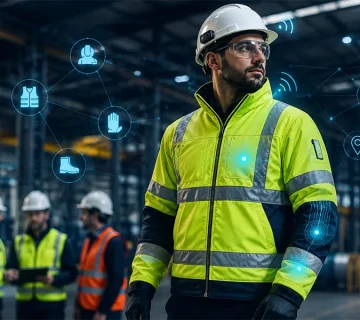
Protective clothing gives the biggest advantage when it is used along with other types of personal protective equipment, you know, the PPE mix. People who work in hazardous surroundings often need multiple layers of protection fitted, to handle the exact dangers they face. When the various safety solutions are linked together, they form a broader defence against workplace incidents, not just one thin barrier but a more continuous coverage and you can feel it in practice.
For example, many work sites ask that people wear hard hats and safety vests in addition to specialized clothes. These pieces tackle different kinds of hazards, and they mesh together to make worker protection better overall. Good safety programs keep in mind the whole set of risks, rather than spending attention on only one concern.
Visibility is another important factor in workplace safety. A hi vis safety vest helps workers remain easily identifiable in busy operational settings, reducing the likelihood of accidents involving vehicles or machinery. When combined with thermal protection, workers benefit from multiple safety advantages simultaneously.
Factors to consider when selecting protective workwear:
- Nature of workplace hazards
- Industry compliance requirements
- Worker comfort and mobility needs
- Durability and maintenance expectations
The Growing Demand for Customised Safety Solutions
Modern businesses increasingly recognise that one-size-fits-all approaches may not meet every operational requirement. This has led to greater interest in custom workwear designed around specific workplace challenges and branding needs. Customised solutions allow organisations to combine safety performance with a professional appearance.
A lot of employers also lean on seasoned workwear manufacturers who can craft clothing that fits in with real industry needs. With tailored solutions, the fit gets better, the comfort improves, and the functionality stays on point while the required safety standards stay met. These wins help workers accept the garment more readily and keep using it consistently.
The industrial sector in the region keeps embracing workplace safety innovations, even when day to day work is busy. Companies are looking into advanced materials and clothing designs that can provide stronger protection while maintaining comfort. This gradual progress helps create safer and more productive work environments overall.
Building a Safer Future Through Better Protective Equipment
In the safety sphere, things keep moving forward as fresh technologies and new materials are made ready. Companies are leaning more and more on industrial safety uniforms that bring protection with practical utility mixed together. Because of this, those changes assist organisations with handling new workplace hazards more effectively.
Leading PPE manufacturers in UAE are contributing to workplace safety advancements by developing innovative solutions designed for demanding industrial environments. Their focus on quality and compliance helps businesses protect workers more effectively.
Every reliable safety products supplier in UAE plays an important role in making high-quality protective equipment readily available across various sectors. Together, these suppliers support stronger safety standards and improved worker protection.
Conclusion
Keeping workers safe in high risk surroundings really needs a proactive, and overall, way of thinking. Flame resistant uniforms still are among the most effective protection options for thermal hazards, because they can lower the seriousness of burns and help make the workplace safer. When you pair them with solid equipment, proper instruction, and a firm safety culture, the results build up over time, meaning calmer operations, higher workforce confidence and better organisational success in the long run.
LUMENS GROUPS combines quality, innovation, and service to meet your workplace safety requirements.
Frequently Asked Questions
They help reduce the risk of severe burns by limiting flame spread and providing valuable protection during flash fire and heat-related incidents. Their specialised construction makes them an essential part of workplace safety programmes.
Replacement schedules depend on usage levels, workplace conditions, and manufacturer recommendations. Regular inspections help identify wear or damage that may affect protective performance.
Employers should evaluate workplace hazards, compliance requirements, garment durability, worker comfort, and overall suitability for the tasks being performed.