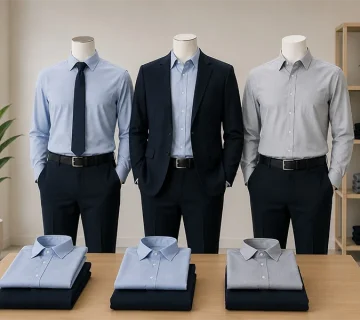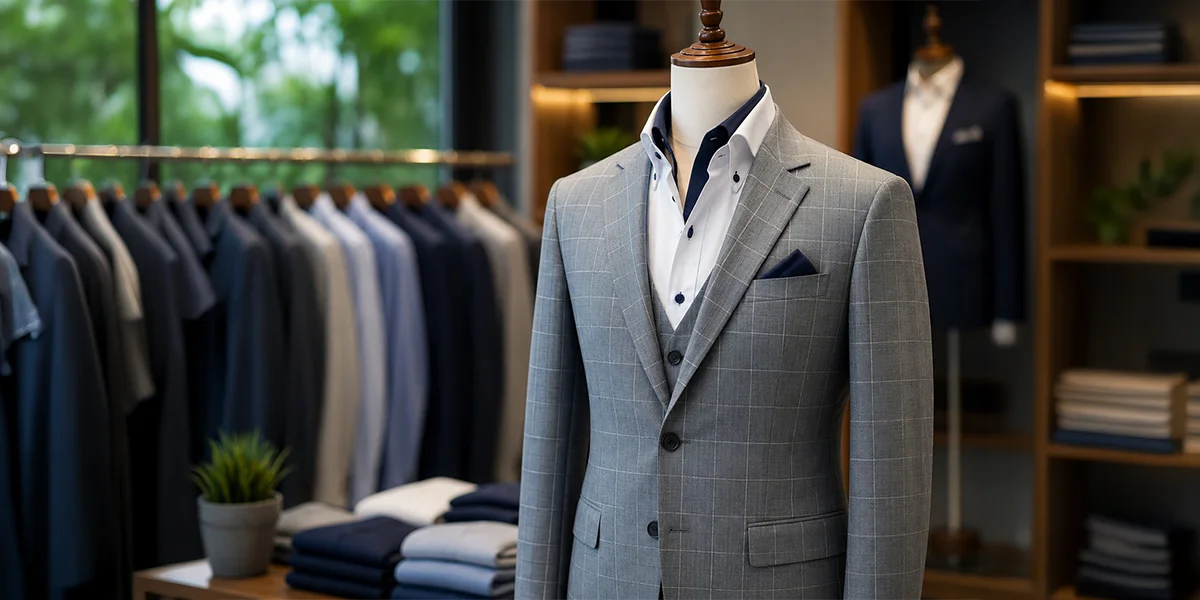
Office uniform manufacturer decisions are no longer limited to selecting colours, fabrics and sizes. Modern workplaces are treating uniforms as part of their wider brand identity, employee experience and customer-facing image. A well-planned uniform can create visual consistency while still allowing employees to feel comfortable and confident throughout the working day. The shift is especially noticeable among organisations looking for practical clothing that supports both professionalism and individuality.
Why Workplace Clothing Has Become a Brand Asset
Uniforms communicate something before an employee speaks to a customer. A consistent appearance can make a workplace feel organised, dependable and easier to recognise, particularly when staff regularly interact with visitors, clients or the public. This makes clothing an important extension of the company’s visual identity rather than simply a response to an internal dress code.
The strongest uniform programmes begin with the nature of the job. Office-based employees may need polished shirts, trousers, skirts or lightweight jackets, while customer-facing teams could require garments that are easier to identify from a distance. Businesses should consider:
- Daily responsibilities and movement
- Indoor and outdoor working conditions
- Required level of formality
- Employee comfort during long shifts
- Seasonal fabric requirements
Office Uniform Manufacturer: Designing Beyond the Traditional Dress Code
An experienced office uniform manufacturer looks beyond appearance when developing a workplace collection. The design process can consider fabric weight, stitching, fit, movement and maintenance requirements before a garment reaches production. This approach helps companies avoid attractive uniforms that become uncomfortable or impractical after repeated use.
Modern design can introduce subtle details without making employees look overly formal. A company might use distinctive collars, coordinated tones, contrast stitching or carefully selected accessories to create recognition. The objective is not to make every employee look identical, but to establish a coherent appearance that reflects the character of the organisation.
Comfort should remain central to the process. Employees are more likely to wear uniforms properly when garments fit naturally and accommodate the demands of their working environment. Breathable fabrics, appropriate cuts and flexible construction can make a noticeable difference to everyday satisfaction.
Building Recognition Through Consistent Workplace Clothing
Branded office uniforms can turn everyday staff clothing into a quiet marketing tool. When employees attend meetings, welcome visitors or travel between business locations, their clothing can reinforce brand recognition without relying on promotional messaging. Consistency can be particularly useful for organisations with several departments or branches.
Colour selection deserves careful attention because it can influence how the brand is perceived. Strong corporate colours may work well as accents rather than covering an entire garment, while neutral shades can create a refined foundation. The final combination should remain practical enough for regular wear.
The Role of Personalisation in Modern Uniform Design
Customized corporate uniforms allow businesses to move beyond standard catalogue garments. Personalisation can include tailored fits, department-specific details, colour variations and selected garment styles. These choices provide greater control over how the workforce presents itself while keeping the overall appearance connected.
Personalisation can also support different professional roles. Management teams might require a more formal collection, whereas operational employees may benefit from lightweight shirts or flexible trousers. A carefully structured range allows each group to meet practical needs without losing visual consistency.
Office Uniform Manufacturer: Balancing Function, Identity and Employee Comfort
Selection should involve more than comparing prices. Companies need to understand how suppliers source, sample, size, manufacture and manage the post-production care of their fabrics. A reliable manufacturer should be able to interpret the brand’s requirements and create functional clothing suited to the workplace environment.
Before approving a final design, decision-makers can assess:
- Fabric durability after repeated washing
- Stitching and finishing quality
- Size availability across the workforce
- Ease of care and maintenance
- Availability of replacement garments
- Consistency between production batches
Sampling is particularly valuable because photographs and digital mock-ups cannot always reveal how a garment actually feels. Employees from different roles can test the samples and provide useful feedback before a larger order is confirmed.
Making Company Clothing More Recognisable
Company uniforms with logo placement can strengthen recognition when handled with restraint. There is no need for the logo to take control of the entire look of the attire; a properly placed logo that is either embroidered or printed can do the job effectively. The placement will depend on the type of attire.
Logo placement has to be done with consideration of the design instead of competing with it. While embroidery is appropriate for shirts and jackets for formal occasions, there are other ways of imprinting a logo on light fabrics.
Choosing a Supplier for Long-Term Requirements
Business uniform suppliers can differ considerably in their production capabilities. Some focus on standard garments, while others provide design development, sampling, custom sizing and coordinated collections. Companies should therefore assess the complete service rather than choosing solely on an initial quotation.
A useful supplier evaluation can include:
- Previous experience with workplace clothing
- Fabric and garment specifications
- Sample development process
- Minimum order quantities
- Production lead times
- Quality control procedures
- Replacement and repeat-order support
Good communication is also very essential. Uniform standards may be adjusted as a company grows and adds new departments or re-brands itself. A supplier that can manage these changes will make future orders much easier to handle.
Understanding Production Quality and Scalability
Working with established uniform manufacturers in UAE can give organisations access to production expertise suited to regional business requirements. However, the most important consideration remains consistency. Garments supplied several months apart should maintain similar colours, measurements and finishing standards wherever possible.
Scalability is another consideration for growing organisations. A small initial order may eventually become a recurring programme involving multiple departments and locations. The supplier should therefore have a process for maintaining specifications so that future batches remain aligned with the original collection.
Creating Better Experiences for Employees
The designs of office staff uniforms should not revolve around what the management feels the employees should wear. The employees are those individuals who will spend a lot of time in the attire, and their experience counts. Getting opinions during the process of designing can identify issues regarding sizes, pockets, material weight, and movement.
Employee involvement does not mean giving up brand consistency. Instead, businesses can offer controlled choices within an approved collection. For example, employees might select between two shirt styles or several suitable garment options while maintaining the same overall visual identity.
Why Corporate Uniform Planning Needs a Long-Term View
A corporate uniform manufacturer can support businesses that want to build a complete clothing system rather than place isolated garment orders. A long-term plan can cover new employees, seasonal replacements, role changes and future brand updates. This reduces the risk of inconsistent clothing appearing across teams.
Uniform planning should also consider maintenance. A garment that looks impressive initially but requires complicated care may create unnecessary costs over time. Practical fabrics and straightforward washing requirements can make the programme easier for both employees and administration teams.
What Makes a Workplace Uniform Successful?
Uniform design is most effective when it combines various components without letting any component overwhelm the others. Look, comfort, durability, acceptability by employees, and recognition of the company should come together instead of being considered separately. For companies in UAE operating in various industries, the uniforms they wear should represent both professionalism and suitability for the daily work environment.
A successful programme can deliver several advantages:
- Stronger visual recognition
- More consistent customer-facing presentation
- Better employee comfort
- Easier onboarding for new staff
- Greater control over brand identity
- More organised replacement planning
And as such, it leads to a work attire that is seen as deliberate and not forced upon the workers. With understanding of what the uniform represents and comfort with wearing it, it will come naturally.
Conclusion
A workplace uniform has evolved into something far more valuable than a simple dress-code requirement. It can communicate professionalism, strengthen recognition and create a more consistent employee experience when design decisions are made thoughtfully. In UAE, organisations can benefit from treating uniform planning as an ongoing brand and operational investment rather than a one-off purchasing exercise.
A good uniform program should take into consideration identity with comfort and practicality. With the right fabric choice, customer feedback, and an efficient production company, companies can provide their employees with uniforms that they feel comfortable in and which customers will always remember them with.
Looking for professional workplace clothing tailored to your brand? Lumens Groups, as an experienced office uniform manufacturer, provides design, fabric selection, sampling, customisation and production services to create comfortable, consistent and brand-focused uniforms for your team.
Frequently Asked Questions
An uniform manufacturer should consider the company’s brand identity, employee roles, working environment, fabric performance, comfort, sizing and maintenance requirements. Sampling and staff feedback can help identify practical issues before production begins.
Businesses can use modern designs, breathable materials and coordinated colour palettes while offering limited style choices. This creates consistency without requiring every employee to wear an identical combination.
Review may be done in case of changes in the company’s branding, introduction of new job positions, repeated feedback from employees, and major changes in the number of workers in the firm. Conducting regular reviews is useful to maintain clothes functionality and relevance to present-day business requirements.