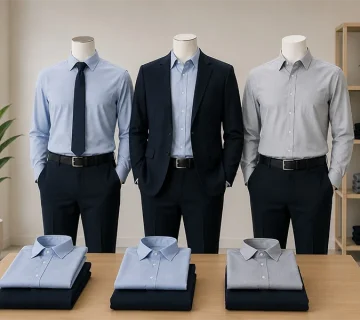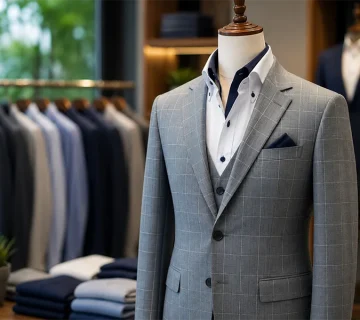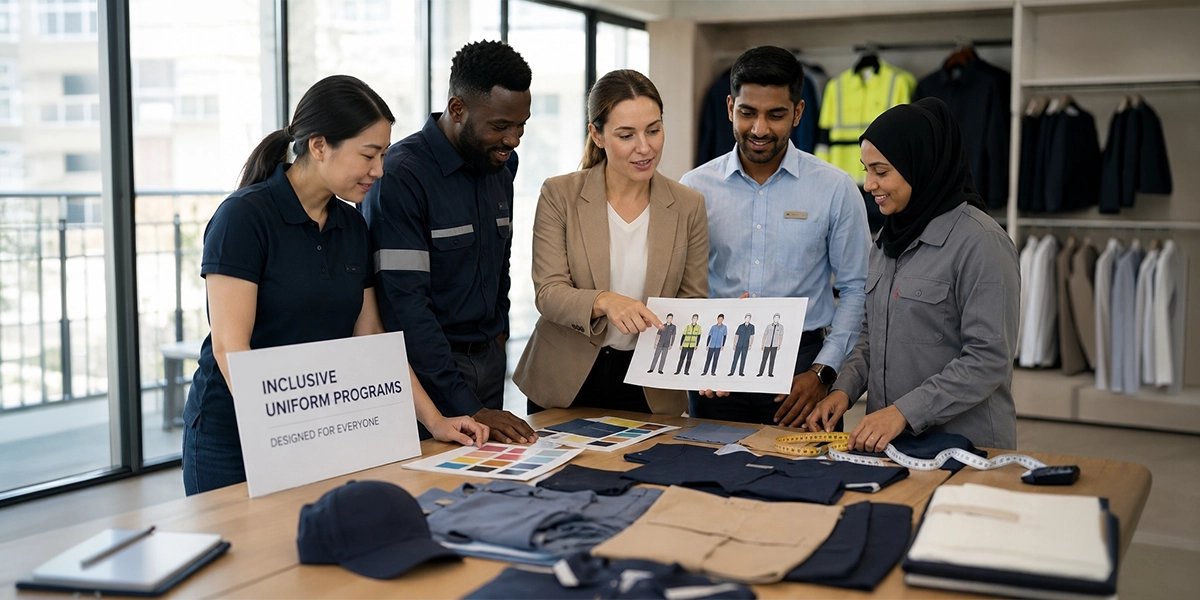
Uniform manufacturing company solutions have evolved far beyond simply producing matching workwear. Today, businesses recognise that employees come from different backgrounds, have different responsibilities, and often have different expectations when it comes to workplace clothing. In the UAE, companies are paying closer attention to how uniforms can help people feel comfortable, confident, and respected at work.
Uniform Manufacturing Company Practices That Support Every Employee
When a new uniform is introduced, employees are usually the first to notice if it works for them. A garment that feels uncomfortable or impractical can quickly turn into a source of frustration. That is why a professional uniform manufacturing company takes the time to really understand the people. The uniform is reviewed by its intended wearers before the design is finalized.
Good uniform programmes are built around real workplace experiences. Employees spend long hours moving, meeting customers, working outdoors, or carrying out technical tasks. Clothing that supports these daily activities naturally creates a better experience for everyone involved.
Some of the factors considered during the planning stage include:
- Different body shapes and sizing needs.
- Comfort during long working hours.
- Practical requirements linked to job roles.
- Personal and cultural considerations.
By addressing these areas early, businesses can avoid common uniform complaints and create a more positive working environment.
Looking Beyond a Standard Uniform Design
No two workplaces are exactly alike. A customer service representative may need a very different uniform from a warehouse operative or maintenance technician. Creating one uniform style for everyone can sometimes overlook these important differences.
Many organisations work with experienced uniform manufacturers in UAE because they understand the challenges of designing clothing for diverse teams. Their experience helps businesses find solutions that work across multiple departments without losing a consistent professional appearance.
Employees often appreciate having uniforms that suit the realities of their jobs. When clothing feels practical and comfortable, staff members tend to wear it with greater confidence and pride.
Giving Employees More Choice
One of the easiest ways to make a uniform programme more inclusive is to give options. Not every employee feels comfortable wearing the same garment style, and even small choices can really make a difference in practice.
A trusted manufacturing company may provide alternative fits, different sleeve lengths, or fabric options suited to various working conditions. These adjustments help employees feel more comfortable while still maintaining a unified company image.
Examples of flexible uniform options include:
- Alternative shirt and blouse designs.
- Different trouser or skirt choices.
- Lightweight and heavier fabric options.
- Adjustable features for improved comfort.
Employees are more likely to embrace a uniform programme when they feel their preferences have been considered.
Balancing Safety with Comfort
In many industries, uniforms do a lot more than represent a brand. They also carry a real weight in protecting employees during their daily tasks, which can be more important than many people realize. When safety and inclusivity are treated together, not as separate concerns, employees usually feel more secure, more comfortable, and more supported throughout the workday. This, in turn, helps create a safer environment and a better workplace experience overall.
Businesses trust on safety uniform suppliers in UAE when they are developing garments for operational teams and supervisors. These specialists help make sure every clothing item satisfies the relevant Industry requirements while ensuring breathability, comfort, and practicality for employees working long hours. In practice, the process can involve material selection, stitching checks and finishing choices, so the final outfit performs well, without turning into a strain.
For workers in demanding environments, durable industrial uniforms can make a noticeable difference. The well designed garments help employees put attention where it belongs, instead of being distracted by uncomfortable clothing, seams that pinch, or fabric that feels wrong. Ultimately, workplace uniforms should contribute to greater comfort and a more positive day-to-day experience
Uniform Manufacturing Company Approaches to Respecting Individual Needs
Modern workplaces bring together people from different cultures, traditions and personal backgrounds, and that’s where a lot of the friction happens or not. A successful uniform programme should recognise these differences, and it tries to find practical ways to adapt around them in real life.
An experienced manufacturing company works closely with businesses, to spot solutions that respect individual preferences while keeping a professional appearance. Small design adaptations can have a positive effect on employee satisfaction when the clothing feels right.
Many organisations also depend on a reliable uniform supplier to ensure garments are distributed efficiently and consistently. This helps maintain quality standards across departments and locations.
Some common approaches include:
- Providing modest uniform alternatives.
- Offering inclusive sizing ranges.
- Allowing practical garment selections.
- Accommodating specific workplace requirements.
These measures show employees that their comfort and wellbeing matter.
Creating Uniforms That Employees Want to Wear
Employees tend to respond in a more positive manner when they feel involved in the design process. Gathering feedback prior to rolling out a new uniform often leads to better outcomes and a firmer acceptance among everyone.
Many businesses choose customized corporate uniforms because they ensure branding requirements and employee preferences are considered equally. You can customize the specific details like the fabric selection, the branding elements, and the styling features too. It is not only about how it looks, it is also about the way it feels when you are moving through the work.
Companies often partner with corporate uniform suppliers to put together professional clothing programmes that mirror their values. In practice, these collaborations help businesses keep things consistent, while also backing a more diverse workforce, and giving everyone a shared sense of look and standards.
For roles that provide extra protection, protective clothing suppliers provide specialised garments that are built for safety and comfort, even more than you expect. In other words employees can carry out their tasks with confidence while still maintaining the right protective standard.
Experienced uniform manufacturing companies understand that successful uniforms are not just about appearance. They are about producing clothing that employees can wear comfortably during the working day while still representing the organisation in a professional way. Most of the time, what matters is the fit and the feel, and also how it performs. You want something that stands up to daily routines, and looks consistent. Overall, it is a mix of practical design and polished presentation, and it should hold together.
Conclusion
A workplace uniform might look like a small portion of a company, but it can influence how employees feel each day. A uniform manufacturing company supports organisations in shaping apparel that supports comfort, practicality, safety, and involvement, in a constant kind of way. As businesses throughout the UAE keep forming more varied units, well-considered uniform programmes will matter even more for improving workplace experiences. When employees feel confident in what they wear, every individual has advantages.
Lumens Groups helps businesses create inclusive, customised uniforms that enhance comfort and professionalism.
Frequently Asked Questions
They help businesses create professional uniforms that improve comfort, support inclusion, and strengthen brand identity.
Comfortable, practical uniforms help employees feel more confident and supported in their daily roles.
Flexible sizing, garment choices, cultural awareness, and employee-focused design all contribute to a more inclusive programme.