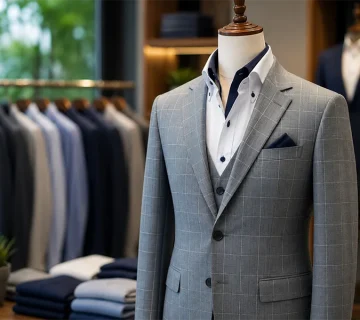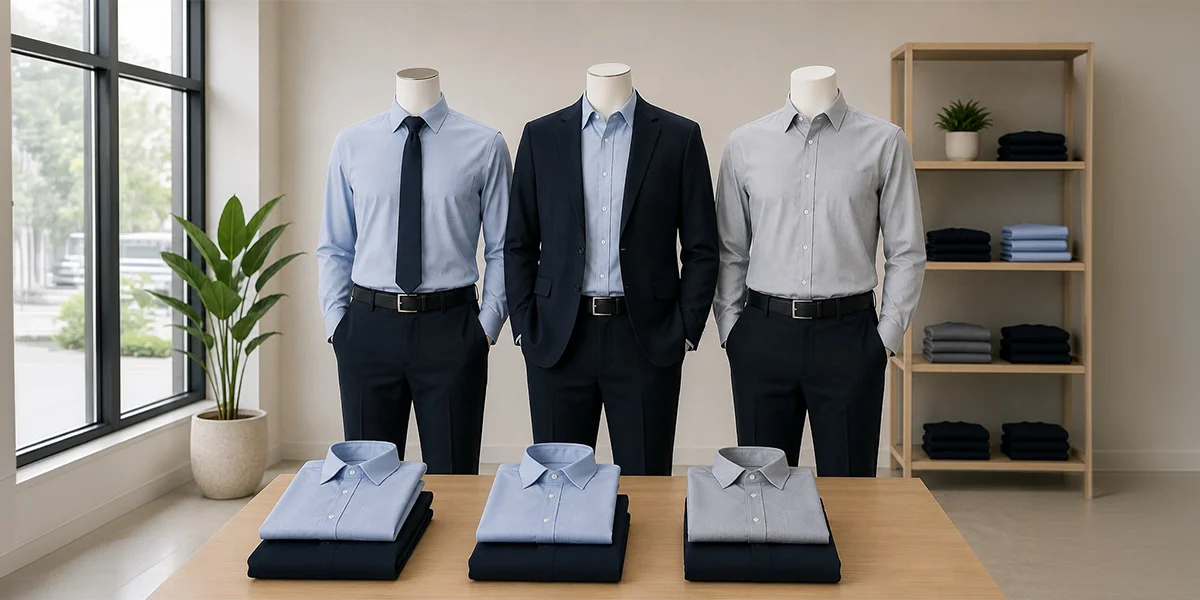
Corporate workwear suppliers are moving beyond the idea of providing one standard outfit for every employee. Modern businesses are looking for clothing systems that can adapt to different roles, seasons and working environments without losing a consistent professional appearance. Modular uniforms answer this need by combining interchangeable garments that employees can use in different combinations.
A modular approach can make corporate clothing easier to plan and manage. Instead of ordering completely different outfits for every situation, businesses can create a coordinated collection of shirts, trousers, jackets and outer layers. This approach can support consistency while giving employees greater flexibility throughout the working day.
Corporate Workwear Suppliers and the Rise of Modular Uniforms
Traditional workplace clothing often follows a fixed formula, with employees receiving the same combination of garments regardless of their daily responsibilities. That model can work for some organisations, but it may not suit businesses where employees move between departments, offices, meetings or outdoor areas.
Modular uniforms take a different approach by creating a wardrobe from compatible pieces. Employees can combine selected garments according to their role, the occasion or the surrounding conditions while maintaining the company’s overall appearance.
A modular uniform system may include:
- Formal shirts for meetings and client-facing roles.
- Smart trousers that work with several tops.
- Lightweight jackets for cooler indoor environments.
- Polo shirts for less formal working situations.
- Optional outer layers for changing conditions.
This does not mean every employee receives unlimited choices. The collection can be carefully planned so that colours, fabrics and designs work together naturally.
For organisations working across the UAE, flexibility can be particularly useful because employees may experience significant differences between air-conditioned interiors and warmer outdoor environments. A layered clothing system can therefore provide practical comfort without making the workforce look inconsistent.
The approach can be particularly useful for companies with different teams and responsibilities. Office staff may need a polished appearance, while operational employees may require greater freedom of movement. A modular collection can accommodate both requirements within one visual identity.
Designing a Uniform System Around Employee Needs
The success of a modular uniform depends on understanding how employees actually work. A garment may look professional during a presentation but become uncomfortable when worn for several hours. Similarly, a lightweight shirt may be ideal for daily work but may not provide enough structure for important client meetings.
Businesses should therefore consider the working routine before deciding on garment combinations. Employee feedback can be useful because staff members understand practical issues that may not be obvious during the purchasing stage.
When developing a collection, businesses can assess:
- The amount of movement involved in each role.
- Indoor and outdoor working conditions.
- Frequency of customer or client interaction.
- Preferred garment fits and practical features.
- Cleaning and maintenance requirements.
A corporate uniform manufacturer can help translate these requirements into coordinated garment options. The aim should be to create a collection where individual pieces complement one another rather than simply ordering several unrelated clothing items.
Fabric selection deserves similar attention. Breathable materials, suitable weights and easy-care finishes can influence how comfortable garments remain throughout a working day. The right material can also affect durability, appearance after repeated washing and overall replacement requirements.
Fit is another important consideration that cannot be ignored. People have different physical sizes, and it is always wise to ensure there are cuts to fit everyone comfortably. Modular clothing should always be comfortable.
Corporate Workwear Suppliers: Making Corporate Clothing More Flexible
Flexibility is one of the reasons why many companies are considering the use of modular uniforms for workers. The reason behind this is that employees will not be performing the same work every day, and their uniform needs may vary from day to day.
A modular system allows businesses to establish a clear foundation while providing selected alternatives. A shirt can be paired with formal trousers for a client meeting, while the same shirt may work with a lighter layer for a normal office day.
This approach can be particularly valuable for growing businesses. New employees can receive garments from an established collection rather than requiring a completely new uniform design. Existing employees can replace individual pieces when needed without changing the appearance of the wider team.
Customized corporate uniforms can further support this model by allowing companies to determine colours, cuts, embroidery and garment combinations that reflect their identity. Customisation does not have to mean creating a completely different design for every employee.
Another benefit is easier wardrobe planning. Businesses can identify a core set of garments and decide how many combinations are possible before placing an order. This can make purchasing decisions more structured and reduce the temptation to select unnecessary styles.
The system can work particularly well when departments have slightly different requirements. A business can maintain common colours and design details while varying garment types according to the role.
Balancing Brand Identity with Everyday Comfort
Corporate clothing represents more than appearance. Employees spend a significant part of their working day in these garments, so comfort can influence how practical the uniform feels over time.
A coordinated system would keep an identifiable brand presence without making the staff appear overdressed. Such a task is made easier through choosing clothes based on the work environment and not just based on fashion trends.
For instance, branded office uniforms can be made in such a way that they have embroidered designs or strategically placed logos rather than too much branding. The uniforms may also be of the same colors, well tailored, and accessorized.
Uniforms that conform to the current working environment can also be a requirement for modern businesses. Comfort, movement, versatility, and professional appearance are usually expected by workers from their working clothes.
Businesses can consider:
- Stretch materials where movement is important.
- Lightweight layers for adaptable dressing.
- Easy-care fabrics for regular use.
- Comfortable fits for long working hours.
- Practical pockets and functional details.
For companies operating across the UAE, these choices can be especially relevant when employees move between different environments during the day. A lightweight shirt combined with an adaptable jacket may offer more practical value than a heavy, fixed uniform.
Making Uniform Purchasing More Efficient
Uniform purchasing can become complicated when businesses manage several departments, employee sizes and replacement schedules. A modular system can introduce a more organised way of handling these requirements.
Instead of treating each order as a separate project, businesses can establish a standard collection and maintain a clear list of approved garments. Employees can then receive suitable combinations based on their role while remaining within the same visual framework.
Working with custom uniform suppliers can help businesses develop this structure from the beginning. Suppliers can discuss garment options, fabrics, sizing and production requirements before the collection is finalised.
Stock management is another consideration. Shirts and pants will be required by companies at different intervals of time as compared to uniforms in which an entire suit is required if any one item gets old. A modular range can be used for this purpose.
A consistent purchasing process can also help businesses plan future requirements. It becomes easier to identify which garments are used most frequently and which items may not provide enough value.
For larger organisations, working with business uniform suppliers UAE can provide access to broader production capabilities and coordinated supply arrangements. The important point is to choose a supplier that understands both the visual and practical requirements of the organisation.
Choosing the Right Approach for Different Teams
Not every workplace needs the same level of modularity. A financial office, hospitality business, logistics company and technical organisation may have very different requirements.
The first step is to understand the employee journey. Businesses should consider where employees work, how frequently they interact with customers and what physical demands their roles involve.
An office uniform manufacturer can be useful when the priority is a polished corporate wardrobe with coordinated shirts, trousers, jackets and other formal pieces. For more varied workplaces, the collection may need to include garments designed for movement and changing conditions.
Businesses should also think about longevity. A uniform that looks attractive when first delivered but loses its shape or colour quickly may create higher replacement costs. Durable construction and suitable fabric choices can make a significant difference over the lifespan of the clothing.
If comparing the best uniform suppliers in UAE, then apart from their looks, we must consider the quality of manufacturing, sizing, types of fabric, customizations, and post-sale service. A good supplier should be consistent while manufacturing even if the order is made many months after the initial one.
Conclusion
A modular uniform system gives businesses a more flexible way to manage workplace clothing without compromising a consistent professional image. It enables each garment to fulfill multiple functions, thus making it easier to customize the entire range in response to changes in employee duties and workplace situations.
For organisations in the UAE, thoughtful fabric choices, practical layering and comfortable fits can make corporate clothing more suitable for everyday working conditions. The right approach is not about offering endless choices, but about creating a carefully planned collection that works across different needs.
With expertise in corporate clothing solutions, Lumens Groups provides businesses with customised workwear designed to balance professional appearance, employee comfort and everyday functionality.
Frequently Asked Questions
Yes. A supplier can develop a coordinated collection of garments that can be combined in different ways while maintaining consistent colours, styling and branding.
The conventional uniform is generally dependent on only one set of clothing, while the modular system makes use of clothing that can be used separately in varying conditions.
Yes. Small businesses can use a compact collection of versatile garments to create several professional combinations without maintaining a large range of separate uniform styles.