
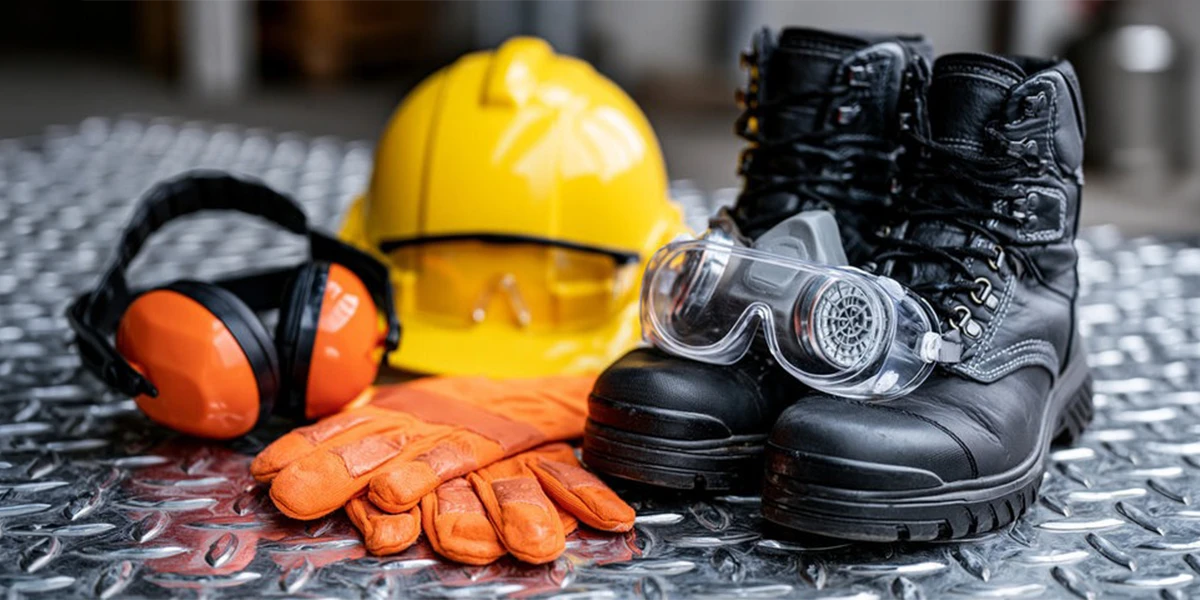
Safety gear suppliers understand that protective equipment cannot be selected by appearance alone. In demanding workplaces, heat, dust, sunlight and physically intensive tasks can quickly affect comfort and concentration. The right PPE should protect workers while allowing them to move freely and complete their duties without unnecessary strain.
Why Heat-Ready PPE Matters for Demanding Workplaces
High temperatures can make ordinary protective equipment difficult to wear for long periods. Heavy fabrics may trap heat, poorly ventilated head protection can feel uncomfortable, and unsuitable gloves may reduce dexterity. A practical PPE programme considers the work environment, task duration and level of exposure before equipment is issued.
A safety products supplier in UAE can help businesses match equipment to actual job conditions. Instead of giving every employee identical equipment, procurement teams can assess exposure according to role and work area. This approach helps organisations provide suitable protection without adding unnecessary equipment.
Heat-ready PPE can support workers through features such as:
- Breathable materials that encourage better airflow.
- Moisture-managing fabrics that help clothing remain comfortable.
- Ventilated helmets designed for improved wearability.
- Lightweight eye and face protection where appropriate.
- Gloves selected according to grip, heat exposure and handling needs.
The aim is not simply to make PPE lighter. Equipment must continue to provide the required level of protection while reducing avoidable discomfort. When employees can wear their equipment correctly throughout a shift, workplace protection becomes more reliable.
Choosing Materials for Hot Working Conditions
Material selection becomes important when employees spend extended periods outdoors or close to heat-producing machinery. Cotton blends, technical fabrics and moisture-managing textiles can offer different balances of breathability, durability and protection. The right material depends on the job rather than one fabric being suitable for every department.
An industrial safety product should be assessed according to its intended hazard, expected temperature and frequency of use. Gloves, footwear, eye protection and respiratory equipment may require different performance characteristics. Procurement teams should examine specifications carefully and consider how each item works with the wider PPE system.
Protective clothing suppliers can provide garments that offer coverage without unnecessary bulk. Suitable fabric weights, ventilation areas and practical fits can make extended shifts easier to manage. Proper sizing matters because tight clothing can restrict movement, while oversized garments may interfere with tools or machinery.
Heat exposure can affect more than physical comfort. Fatigue and reduced concentration may influence workplace performance and PPE compliance. A well-planned clothing strategy therefore supports personal safety while encouraging consistent working practices.
Hard hats and safety vests require careful selection when visibility and head protection are essential. Helmets should fit securely and suit the working environment, while high-visibility garments should remain noticeable under expected lighting conditions. Ventilation, adjustability and compatibility with other PPE should be considered before purchasing.
How Safety Gear Suppliers Support Better PPE Selection
It should not be assumed that safety gear suppliers merely supply safety gear. Those who have been in the business for long enough can talk about the nature of the jobs, the levels of exposure, and even the movement on the sites before suggesting safety gear.
For heat-exposed teams, a selection process may include:
- Reviewing outdoor and indoor heat sources.
- Identifying tasks requiring prolonged PPE use.
- Checking compatibility between helmets, eyewear and hearing protection.
- Comparing garment weight, ventilation and fabric performance.
- Collecting worker feedback after product trials.
Selection of industrial heat-resistant gloves is dependent upon the type and extent of heat exposure. If a glove is meant to be worn only for short periods and used on warm surfaces, then it might not be the right choice for use in hot conditions. Other factors include grip and dexterity.
An industrial worker uniform should support the practical requirements of each role. Maintenance teams may need reinforced garments, while site-based employees may require high visibility and breathable construction. Uniform design should never compromise required protection simply for appearance.
Improving Comfort Through Fit and Design
The importance of comfort and ease-of-use cannot be ignored even when using PPE that is of good quality. It is important to ensure proper fitting for mobility, gloves, shoes and hats in the entire workplace. Trial fitting before a large order can reveal problems that product specifications may not show.
Uniform suppliers in UAE can support organisations with garment samples, sizing systems and coordinated workwear ranges. A consistent process makes replacements easier and helps maintain a professional appearance across teams. This can be particularly useful for businesses with employees working across multiple sites.
Training must come with all the use of PPE. The employees must be aware of when they should use the protective gear, how to wear the equipment, and what the indicators for any damage that would require replacement are. This training could be complemented by inspection.
Maintaining PPE During Hot Seasons
Heat ready gear must be inspected regularly due to the possibility that frequent usage might lead to faster deterioration. The fabric material might become weakened while reflective properties of other materials might deteriorate and gloves may sustain damage which would affect their grip.
Uniform manufacturers in UAE can help organisations maintain consistent garment specifications for future orders. Keeping records of approved styles, sizes and replacement cycles can simplify procurement when teams expand or equipment reaches the end of its service life. Consistency becomes valuable when departments require different protective clothing.
Whenever changes occur in the work process, the organization should evaluate the PPE program. Changes such as new equipment, shift patterns, increase in outdoor work or responsibility changes can bring risks that were not present during the time the initial equipment was chosen.
Building a Complete Heat-Ready PPE Programme
A comprehensive strategy must take into account clothes, head protection, hand protection, footwear, visibility, and equipment for specific tasks as an interlinked system. Buying separate pieces without testing for compatibility could lead to missing components or wearing uncomfortable equipment altogether. The goal is a practical combination that workers can use correctly throughout their shifts.
industrial uniforms & safety wear should be evaluated for durability, comfort and suitability for workplace hazards. A coordinated range can make daily issue procedures easier while supporting consistent standards. Procurement teams should document product choices and review their performance over time.
Working with ppe manufacturers in UAE can give larger organisations access to product customisation, sizing support and specification guidance. Businesses with specialised roles may benefit from discussing fabric requirements, garment construction and protective features before production begins. This can be more effective than choosing generic workwear without considering job demands.
Before finalising a PPE programme, businesses can review:
- Hazards associated with each job role.
- Duration and intensity of heat exposure.
- Compatibility between different PPE items.
- Cleaning, storage and replacement requirements.
- Worker feedback from practical product trials.
A good procurement process needs to take into account suitability, availability, and support rather than just cost factors. Performance of the product needs to be checked once it is implemented to find out which products need to be adjusted or replaced.
Conclusion
Heat-ready PPE works best when equipment is selected around real tasks, exposure levels and worker needs. Breathable clothing, ventilated head protection and properly specified gloves can help reduce avoidable discomfort during demanding shifts. Regular reviews can help businesses maintain practical protection as working conditions change.
Lumens Groups supports organisations with quality safety wear, industrial uniforms and PPE solutions designed for comfort, protection and everyday performance.
Frequently Asked Questions
They can assess workplace hazards, discuss job requirements and recommend equipment based on protection, comfort and intended use. They may support product comparisons and trials before larger purchases.
The user must verify that the gloves are in good condition, properly sized, and fit well with their level of heat exposure. Ineffective or damaged gloves should not be used to perform any task.
PPE arrangements should be reviewed whenever tasks, equipment, work environments or exposure levels change. Routine inspections should identify wear, damage and equipment that needs replacement.