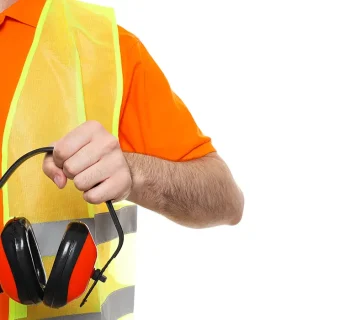
Safety Vest is among the basic pieces of personal protective gear (PPE) for workers in various industries. It is designed to enhance visibility and ensure protection in hazardous environments to prevent accidents and protect workers when working.
Regardless of whether you are in public service, manufacturing, construction, or logistics, the appropriate vest can be a lifesaver. Here in this guide, we shall be explaining types, material, functions, and key things to have in mind when selecting the best for your crew.
Why a Safety Vest Is Necessary
A Safety Vest not only assures the visibility of workers. It can be considered as a perceptible warning to the drivers of motor vehicles, machinery operators, and other co-workers, reducing the chances of accident formation. Reflective stripes, reflective colors, and robust materials unite together to assure the visibility of workers even in the night or in situations with fog.
Apart from safety, vests also allow the employees to dress professionally while at work. Dressy staff dressed in vests exude a sense of being organized and professional, particularly in customer-contact jobs.
Where Safety Vests Are Applied
Safety vests are generally used in environments where visibility is given greater importance:
Construction Locations – High-visibility wear is needed for workers to prevent accidents around heavy equipment.
Road Maintenance and Traffic Control – Reflective vests warn drivers and pedestrians of the workers’ presence.
Warehouses and Logistics Centers – Workers close to moving equipment need increased visibility.
Emergency Services – Firefighters, police officers, and rescue personnel wear them so that they can be easily seen in disordered environments.
Events and Crowd Control – Workers don brightly colored vests for quick recognition and protection in dense crowds.
Every setting requires unique features, so it is necessary to select the model appropriate to your crew’s requirements.
Types of Safety Vests
Modern vests come in a variety of styles to meet diverse workplace requirements:
High-Visibility Vests – Reflective orange, yellow, or green with reflective striping.
Class 2 and Class 3 Vests – Provide different levels of visibility and reflectance for different applications.
Waterproof Vests – Suitable for rain or wet weather outdoor work.
Mesh Vests – Lightweight, ventilated for tropical or indoor use.
Multi-Pocket Vests – Allow employees to have pens, tools, or small equipment and remain with free hands.
Depending on the work environment, weather, and required visibility, choosing the right one is crucial.
Materials Used in Safety Vests
The type of material used in a vest decides its functioning. Common materials are:
Polyester – Lightweight, long-lasting, and easy to clean.
Mesh Polyester – Offers air passage when working in hot conditions without altering visibility.
PVC-Coated Fabrics – Provide water resistance for wet or exposed situations.
Reflective Tape – High-grade reflective strips provide increased safety and visibility during nighttime.
A reliable safety equipment supplier ensures that all materials are of industry quality and provide comfort and long-term durability.
How to Choose the Right Supplier
In buying high-visibility gear, it is important to select a supplier that has quality items and understands industry needs. Some important factors are:
Safety Standard Compliance – Check if the goods comply with international and national safety standards.
Range of Choices – Excellent suppliers offer various sizes, designs, and visibility classes to suit your personnel.
Customization – Consider adding company logos, reflective upgrades, or tool special pockets as an option.
Delivery and Consistency – Delivery within time and regular availability of stock avoid the inconvenience of delayed outfitting of your team.
Cooperation with PPE Suppliers – A supplier who also services protective clothing suppliers or coverall manufacturers can provide end-to-end safety solutions.
Benefits of High-Visibility Clothing
Expenditure on the right equipment has several benefits:
Improved Worker Safety – High visibility reduces the risk of accidents.
Professional Appearance – Matching vests create a professional appearance in the field.
Legality – Safety compliance keeps the business safe legally.
Comfort and Productivity – Light and open space plans allow for easy movement and the performance of work with greater efficiency.
Safety and comfort being a priority may prompt businesses to boost employee satisfaction and productivity.
Tips for Maintaining Visibility Apparel
For optimum performance and longevity:
- Wash as directed regularly.
- Inspect reflective strips and seams for wear and tear.
- Replace at once if damaged or worn.
- Store in a dry, clean environment to prevent mildew or fabric damage.
Routine maintenance extends the lifespan of vests and maintains their safety feature.
Conclusion
High-visibility gear is not just clothing, it’s a critical tool for worker safety. By choosing high-quality gear from a qualified provider, organizations protect employees, enhance visibility, and maintain a professional reputation.
When selecting a supplier, look for those that provide versatility in design, collaborate with coverall suppliers, and offer avenues to other PPE or safety gear. This prepares your employees fully for any environment.
Spending money on good vests indicates a company’s concern for employee safety and productivity, projecting well on your firm.
Frequently Asked Questions (FAQs):
Polyester, mesh polyester, and PVC-coated products are standard, subject to sight and weather conditions.
Yes, the majority of suppliers offer logos, reflective enhancements, and specialty pockets.
Yes, they work well with uniforms, gloves, helmets, and coveralls.